Commercial Backflow Testing in Rochester MN: What Business Owners Need to Know
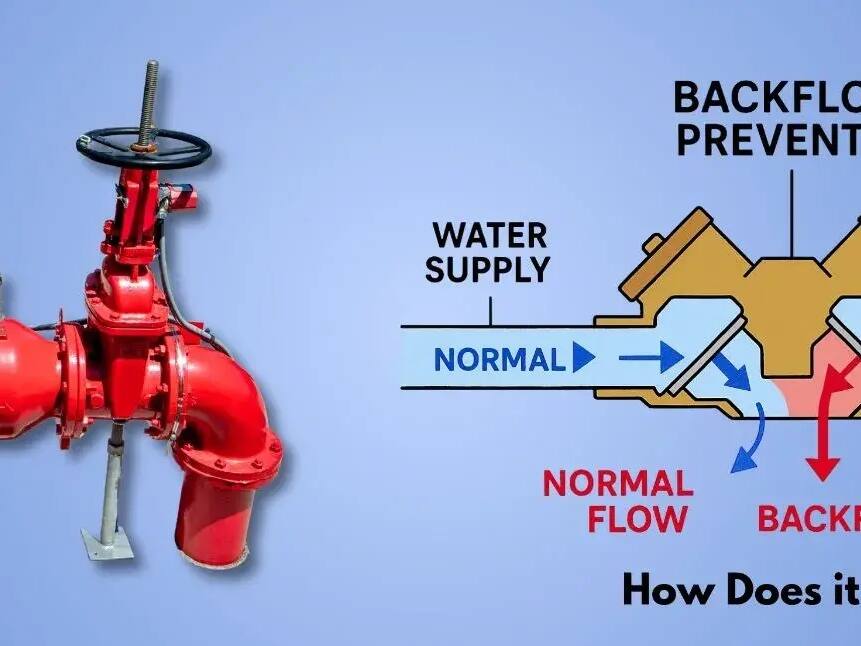
Why Commercial Backflow Testing Is Different
Commercial and industrial properties present significantly higher backflow risks than residential properties. Restaurants use chemicals for cleaning and sanitization. Medical facilities handle hazardous materials and pharmaceutical waste. Manufacturing operations may use toxic chemicals that could devastate the public water supply if they entered through backflow.
Because of these elevated risks, Rochester Public Utilities (RPU) and Minnesota state code impose stricter requirements on commercial properties. The consequences of non-compliance are also more severe — a water shut-off for a home is an inconvenience, but for a business, it can mean closing your doors, losing revenue, and potentially facing health department action.
Understanding these requirements is essential for every business owner in Rochester and surrounding cities like Byron, Stewartville, and Kasson. If you're new to backflow prevention, our guide on what backflow testing is covers the fundamentals.
Commercial Properties That Require Backflow Testing
In Rochester, the following types of commercial properties are required to have backflow prevention devices and annual testing:
- Restaurants and food service operations — Including cafeterias, bars, coffee shops, and food trucks with permanent water connections. Commercial dishwashers, beverage dispensing systems, and grease traps all create cross-connection risks.
- Medical and dental facilities — Hospitals, clinics, dental offices, veterinary practices, and laboratories. Rochester's extensive medical community, anchored by the Mayo Clinic, means this is a significant category in the local area.
- Hotels and hospitality — Lodging properties with pools, spas, laundry facilities, and commercial kitchens.
- Car washes and auto service centers — Chemical injection systems and recycled water systems create high-hazard cross-connections.
- Manufacturing and industrial facilities — Any operation using chemicals, cooling water, or process water.
- Schools and educational facilities — Science labs, industrial arts shops, and commercial kitchens in school cafeterias.
- Agricultural operations — Properties with chemical injection systems for fertilizers or pesticides.
- Laundromats and dry cleaners — Chemical cleaning agents pose contamination risks.
- Office buildings — Multi-story buildings with boiler systems, fire sprinklers, or building-wide cooling systems.
- Multi-family housing — Apartment complexes and condo buildings, especially those with shared irrigation or fire sprinkler systems.
If your business uses water for anything beyond basic restroom and drinking fountain purposes, you almost certainly need backflow protection.
RPZ vs. DCVA: Which Device Does Your Business Need?
The type of backflow preventer required for your commercial property depends on the hazard level of your water use:
RPZ (Reduced Pressure Zone) Assemblies — High Hazard: Required for businesses where a backflow event could pose a health hazard. This includes: - Restaurants and food service - Medical and dental facilities - Chemical manufacturing or storage - Car washes - Any facility using toxic substances connected to the water supply
RPZ devices provide the highest level of protection with two independent check valves and a hydraulically operated relief valve. They're more expensive (typically $500-$2,000+ installed) but are required for high-hazard situations.
DCVA (Double Check Valve Assembly) — Low-to-Moderate Hazard: Acceptable for businesses where backflow would be a nuisance but not a direct health threat: - Office buildings (general use) - Retail spaces - Fire sprinkler connections (in some cases)
DCVAs are simpler and less expensive ($300-$1,000 installed) but only appropriate for lower-risk applications.
RPU determines the required device type during the initial cross-connection survey. Attempting to substitute a lower-level device for a required RPZ violates code and can result in enforcement action. If you're unsure about your device requirements, a certified professional can assess your property.
Commercial Testing Requirements and Scheduling
Commercial backflow testing follows the same annual testing requirement as residential, but with some additional considerations:
Multiple Devices: Many commercial properties have several backflow preventers — one at the main water service connection plus additional devices for specific hazards (fire suppression, irrigation, specific equipment). Each device requires individual testing.
Testing Coordination: For businesses that can't interrupt water service during operating hours, testing should be scheduled during off-hours, early mornings, or closed days. A good testing company will work with your schedule.
Documentation: Commercial properties should maintain detailed records of all devices, test results, repairs, and correspondence with RPU. Some businesses, particularly in healthcare and food service, may need these records for health department inspections or accreditation reviews.
Tenant vs. Landlord Responsibility: In multi-tenant commercial buildings, the property owner (landlord) is typically responsible for backflow device maintenance and testing for the building service connection. Individual tenant spaces may have their own devices that the tenant is responsible for. This should be clearly defined in the lease agreement.
Industry-Specific Regulations: Some industries have additional regulatory requirements beyond RPU's program. For example, medical facilities must comply with CMS requirements, and food service operations must meet Minnesota Department of Health standards. These may specify additional documentation or testing protocols.
Commercial Backflow Testing Costs
Commercial testing costs vary based on the number and type of devices, but here are typical ranges for Rochester-area businesses:
| Service | Cost Range |
|---|---|
| Single RPZ test | $100 – $200 |
| Single DCVA test | $100 – $175 |
| Additional device (same visit) | $75 – $125 each |
| Annual service agreement (3+ devices) | 10-20% discount |
| Emergency/after-hours testing | $200 – $350 |
| Cross-connection survey | $100 – $250 |
For a typical restaurant with one RPZ device, annual testing costs around $100-$200. A medical facility or multi-story office building with 5-10 devices might pay $500-$1,500 annually for complete testing.
These costs are a legitimate business expense and typically tax-deductible as a maintenance or compliance cost. They're also minimal compared to the potential cost of non-compliance — water shut-off, lost business revenue, health department citations, and potential liability. See our detailed pricing guide for more information.
Choosing a Commercial Backflow Testing Provider
Selecting the right testing provider is more critical for commercial properties due to the higher stakes involved. Look for these qualities:
- Experience with commercial devices — Not all testers regularly work on large commercial assemblies. Verify that the company has experience with your device types and sizes.
- Flexible scheduling — Your testing provider should accommodate your business hours and minimize disruption to your operations.
- Comprehensive service — Look for a provider that offers testing, repair, winterization, and emergency service — ideally from a single source.
- Documentation and reporting — The provider should submit results to RPU promptly and provide you with detailed reports for your records.
- Proactive reminders — A good commercial provider maintains your testing schedule and reminds you before deadlines.
- Insurance and certification — Verify that the company carries appropriate liability insurance and that individual testers hold current Minnesota certification.
Our comprehensive guide on choosing a backflow tester covers these factors in more detail. For commercial service in Rochester and surrounding areas, contact us to discuss your specific needs.
Compliance Tips for Business Owners
Stay on top of commercial backflow compliance with these practical tips:
- Designate a responsible person — Assign someone in your organization to oversee backflow compliance, track testing dates, and coordinate with your testing provider.
- Maintain a device inventory — Know exactly how many devices you have, where they're located, and when each is due for testing.
- Budget annually — Include backflow testing and maintenance costs in your annual budget so they're never a surprise.
- Coordinate with property management — If you're a tenant, confirm with your landlord which devices are their responsibility and which are yours.
- Plan for repairs — Budget a contingency for repairs, especially if your devices are older than 10 years. Knowing the signs of needed repairs helps you anticipate costs.
- Review insurance coverage — Verify that your business insurance covers backflow-related incidents and contamination claims.
- Stay informed — Rochester's water regulations can change. Stay in touch with RPU and your testing provider for updates.
Non-compliance isn't just a risk to your water — it's a risk to your business. Protect both by maintaining a proactive backflow management program.
Need Backflow Testing in Rochester?
Our certified technicians provide professional backflow testing, repair, and certification for homes and businesses throughout Rochester, MN.