What Is Backflow Testing? A Complete Homeowner's Guide
What Is Backflow?
Backflow occurs when water flows in the opposite direction through your plumbing system — backward from where it should go. This can happen due to changes in water pressure, such as a water main break, firefighting operations, or even heavy usage in your area. When backflow happens, contaminated water from irrigation systems, swimming pools, boilers, or other sources can be pulled back into the clean drinking water supply, creating serious health hazards.
There are two main types of backflow. Back-siphonage happens when there's a sudden drop in water pressure in the main supply line, creating a vacuum that pulls contaminated water backward. This often occurs during water main breaks, nearby firefighting, or when a hydrant is opened for flushing. Back-pressure occurs when the pressure in a private system exceeds the pressure in the public water supply, forcing contaminated water into the clean supply. This is common in buildings with booster pumps, elevated tanks, or boiler systems.
Understanding backflow is critical for every property owner in Rochester, MN and surrounding cities like Byron, Stewartville, and Kasson. A single backflow event can introduce pesticides, fertilizers, human waste, chemicals, and other dangerous contaminants into the water you drink, cook with, and bathe in. That is exactly why the city mandates annual testing — to catch problems before they become public health emergencies.
What Is a Backflow Preventer?
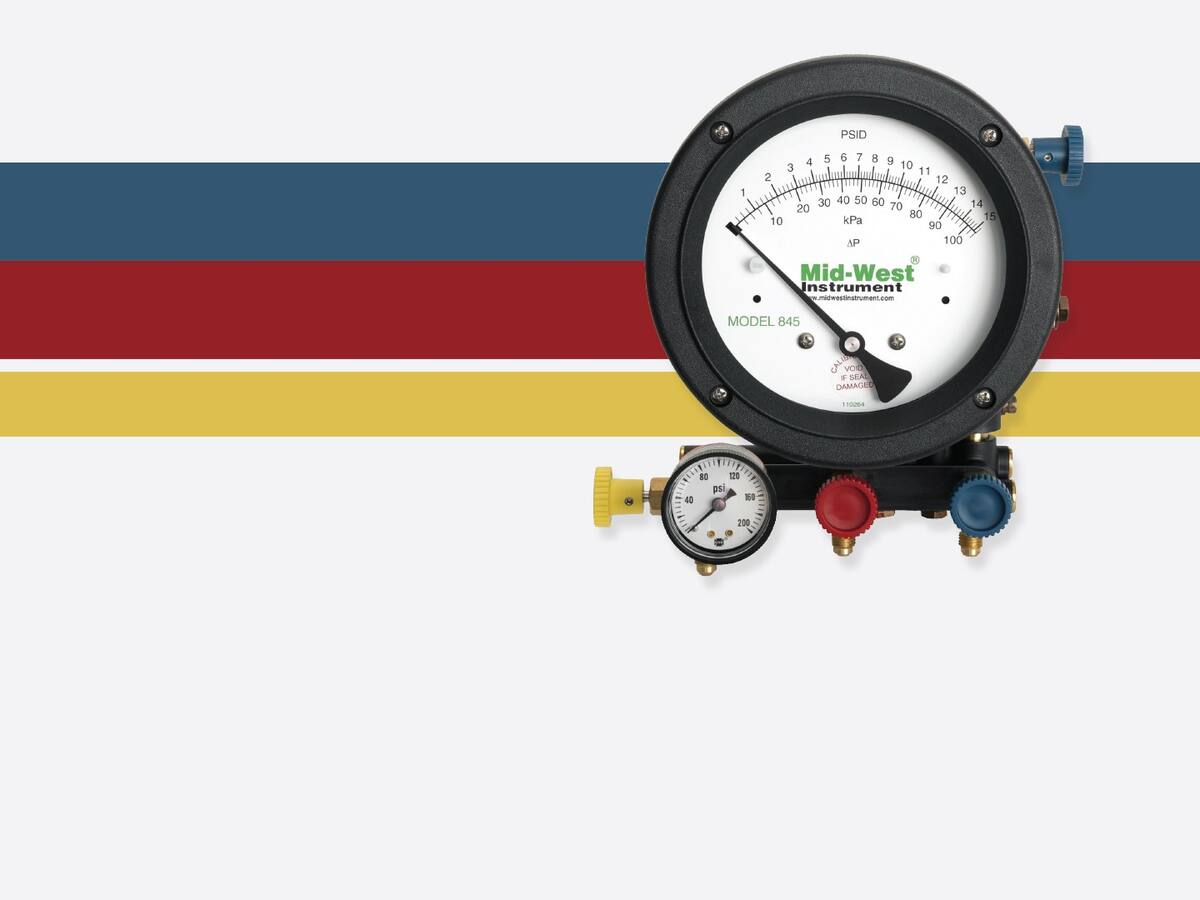
A backflow preventer is a mechanical device installed on your plumbing system that allows water to flow in one direction only. Think of it as a one-way valve for your water supply. These devices are typically installed where your water service connects to your building and at any point where cross-connections exist.
Common types of backflow preventers include:
- Reduced Pressure Zone (RPZ) assemblies — The gold standard for high-hazard situations, providing the highest level of protection. RPZ devices have two independently operating check valves and a hydraulically operated differential pressure relief valve between them. If either check valve fails, the relief valve opens and discharges water rather than allowing contamination to reach the clean supply.
- Double Check Valve Assemblies (DCVA) — Used in low-to-moderate hazard situations, commonly found in commercial and residential properties. These contain two independently operating check valves that provide redundant protection.
- Pressure Vacuum Breakers (PVB) — Often used for irrigation systems and outdoor water connections. PVBs use an air inlet valve that opens when water pressure drops, breaking any siphon effect.
- Atmospheric Vacuum Breakers (AVB) — Simple devices used in low-hazard, non-continuous pressure situations. These are the most basic form of backflow protection.
The type of preventer required for your property depends on the level of hazard your plumbing connections present. A certified backflow professional can assess your property and recommend the appropriate device. Understanding the maintenance requirements for each type is essential for keeping your device in good working order.
What Happens During a Backflow Test?
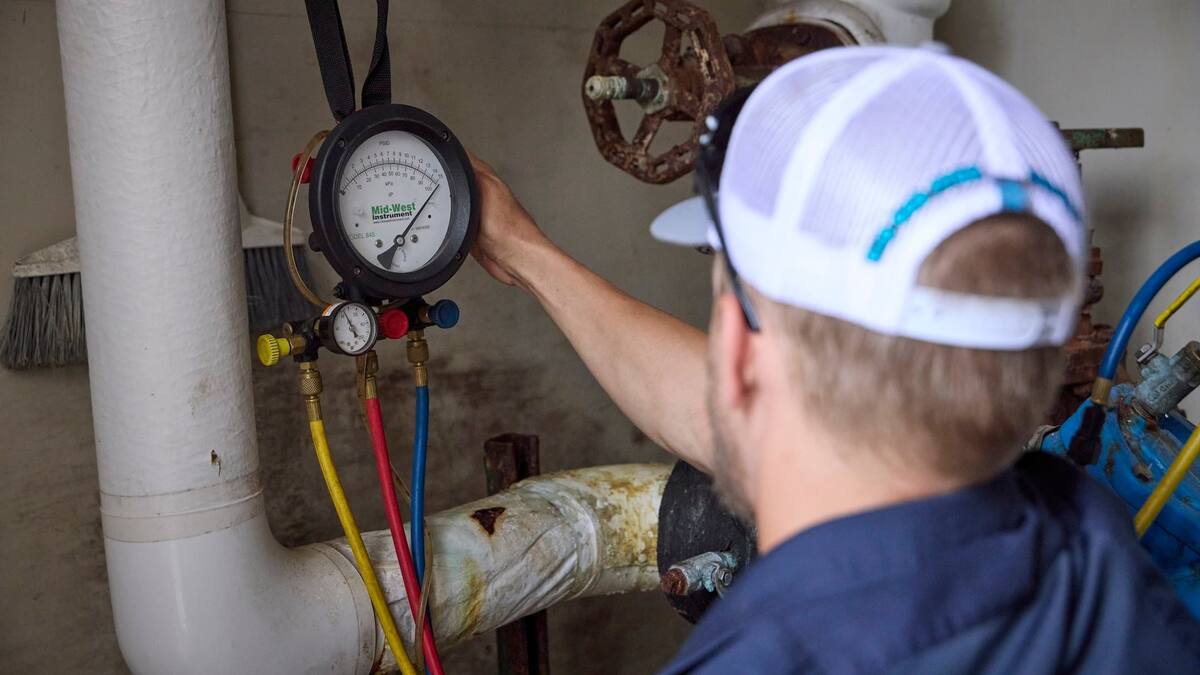
During a backflow test, a certified technician performs a series of pressure tests on your backflow prevention device to make sure it's working correctly. Here's what the process typically looks like:
- Preparation — The technician locates your backflow preventer, inspects it visually for obvious damage or leaks, and connects specialized differential pressure test equipment (called a test kit) to the test cocks on the device.
- Shut-off test — The water supply is briefly shut off to isolate the device and test each check valve independently. The technician verifies that each valve seats properly and holds pressure.
- Pressure testing — Using calibrated gauges, the technician measures the pressure differential across each valve to verify they're holding within the manufacturer's specifications. For RPZ devices, the minimum acceptable pressure drop is typically 2 PSI across the first check and 1 PSI across the second.
- Relief valve test (for RPZ devices) — The relief valve is tested to ensure it opens at the correct pressure differential. This critical safety component must function properly to discharge water rather than allow backflow if a check valve fails.
- Documentation — Results are recorded on an official test report that includes the device type, serial number, test results, and the tester's certification number. This report gets submitted directly to Rochester Public Utilities (RPU).
The entire process typically takes 15 to 30 minutes for a single device and requires a brief interruption of water service — usually less than five minutes. Most homeowners barely notice the process. If the device fails any portion of the test, the technician will explain what repairs are needed and can often fix minor issues on the spot.
Why Is Backflow Testing Required in Rochester, MN?
Rochester Public Utilities (RPU) requires annual backflow testing for all properties with backflow prevention devices. This isn't just a local preference — it's mandated by Minnesota state plumbing code and enforced by RPU to protect the entire community's water supply.
Rochester's water system serves over 121,000 residents, and a single backflow incident could contaminate water for thousands of people. The city has invested millions of dollars in water treatment infrastructure, and backflow prevention is the last line of defense at each individual property connection. Annual testing ensures that every backflow device in the system is functioning properly, maintaining the safety and integrity of the public water supply.
The RPU Cross-Connection Control Program requires that only state-certified testers perform annual inspections. These professionals must maintain their certification through continuing education and understand the specific requirements of different device types. Testing is required for all device types — RPZ assemblies, double check valves, PVBs, and any other approved backflow prevention assembly.
If you miss your annual test, RPU follows a progressive enforcement process. You'll first receive reminder notices, followed by warning letters with firm deadlines. If the property remains non-compliant, RPU has the authority to shut off your water service until the test is completed and results submitted. Understanding how often testing is needed and staying on schedule prevents these consequences entirely.
Who Needs Backflow Testing?
While not every home has a backflow preventer, many more properties require them than owners realize. In Rochester and surrounding areas, you likely need a backflow preventer — and therefore annual testing — if your property has:
- A lawn irrigation or sprinkler system — This is the most common reason residential properties need backflow devices, since irrigation pipes can contain fertilizer, pesticides, and soil bacteria
- A swimming pool or hot tub connected to the water supply
- A boiler or hydronic heating system — These systems often use chemical additives that must be prevented from entering the water supply
- A fire sprinkler system — Both residential and commercial fire suppression systems require backflow protection
- Any commercial or industrial water use — Restaurants, medical facilities, car washes, dental offices, and manufacturing operations
If you're in Byron, Stewartville, or Kasson, similar requirements apply through your local water utility. The same Minnesota plumbing code governs backflow prevention across the entire state, though each municipality may have specific notification and enforcement procedures.
Not sure if your property has a backflow preventer? Check near your water meter, in your basement mechanical room, or where your irrigation system connects to the main water supply. If you find a device with test cocks (small valved ports), that's your backflow preventer. You can also contact RPU or reach out to us for help determining your requirements.
How Much Does Backflow Testing Cost?
In the Rochester, MN area, backflow testing typically costs between $75 and $200 per device, depending on the type of preventer, accessibility, and the testing company. Most residential properties have a single device, so you're usually looking at one test per year. Our complete pricing guide breaks down the factors that affect your total cost.
Commercial properties with multiple devices can often negotiate volume discounts for testing all devices during a single visit. If your device fails and needs repair, expect to pay an additional $100 to $300 for common fixes like replacing seals, springs, and O-rings. Knowing the signs your preventer needs repair can help you budget accordingly.
Compared to the potential cost of water contamination, plumbing repairs, or fines from RPU for non-compliance, annual testing is a very affordable insurance policy for your water safety. Most testing companies also offer scheduled reminders so you never miss a deadline.
Backflow Testing FAQ
How long does a backflow test take? Most tests take 15-30 minutes per device. The actual water interruption is usually less than 5 minutes.
Do I need to be home for the test? If your backflow preventer is accessible from outside (which most are), you typically don't need to be home. The technician just needs access to the device.
What happens if my device fails the test? The technician will explain what's wrong and discuss repair options. Many common issues can be fixed on the spot. After repairs, the device is retested to confirm it passes.
Can I test the backflow preventer myself? No. Minnesota requires that only state-certified backflow testers perform annual tests. The testing equipment must be properly calibrated and the tester must submit official documentation to RPU. Learn more about choosing a qualified tester.
When is the best time of year to schedule testing? Spring (April-May) is ideal for most properties, especially if you have an irrigation system being activated. However, testing can be done year-round. Check our guide on testing frequency and scheduling for more tips.
Need Backflow Testing in Rochester?
Our certified technicians provide professional backflow testing, repair, and certification for homes and businesses throughout Rochester, MN.